


Just as you’re considering waterproofing your basement, an unexpected downpour hits your city, leaving many basements in your neighborhood flooded. It’s in moments like these that a sump pump could be your unsung hero. This simple yet efficient device, sitting quietly in the corner of your basement, springs into action when water levels rise, swiftly diverting water away and keeping your home safe and dry. But how does this machine work, and what makes it so effective? Hold on to those thoughts, we’ll unpack the mechanics and benefits of a sump pump in the following discussion.
Understanding the Basics of Sump Pumps
To fully appreciate the role of a sump pump in preventing flooding, it’s essential to understand its basic operations. A sump pump, usually installed in the lowest part of your basement or crawlspace, is your primary line of defense against groundwater flooding. This appliance operates on a fairly simple principle: when water levels rise above the baseline of your home, it springs into action.
Sump pumps are typically housed in a specially constructed sump pit. In normal conditions, groundwater flows around your home’s foundation. But when it rains heavily, water pressure can build, forcing water into your basement. That’s where the sump pump comes in. It detects this water level increase and starts working to pump the water out, away from your property.
The pump’s operation is triggered by a float switch, which is fundamentally a buoyant ball that floats on the water. As the water level rises, so does the float switch. When the switch reaches a certain level, it activates the pump.
It’s a simple, efficient system that keeps your basement dry and safeguards your home from potential water damage. This preventative mechanism is critical for homes susceptible to flooding.
How a Sump Pump Works
Understanding the mechanics behind a sump pump’s operation can help you better appreciate its role in flood prevention. Let’s explore the workings of this ingenious device.
Primarily, a sump pump is installed in the lowest part of your basement or crawl space. Its job? To keep the area dry and prevent it from flooding. A sump pit or basin collects water that would’ve otherwise seeped into your basement. When water levels rise in the pit, it triggers the pump’s action.
The pump itself operates on a simple principle. When the water in the pit reaches a pre-set level, it activates a float switch. This switch triggers the pump, which then begins to move water from the pit, through a pipe, and out of your home.
It’s important to note that the pipe has a one-way valve called a check valve. This guarantees that water doesn’t flow back into the pit.
Once the water level drops below the float switch’s range, the pump turns off until it’s needed again.
That’s the technical nitty-gritty of how a sump pump works. It’s a simple yet effective solution to keep your basement dry and safe from water damage.
The Role of Sump Pumps in Flood Prevention
You must grasp the fundamentals of sump pumps to fully appreciate their role in flood prevention.
Regular maintenance is essential to guarantee your sump pump operates at its best, especially during heavy rainfall.
Additionally, choosing the right pump for your specific needs is important, as not all pumps are created equal.
Understanding Sump Pump Basics
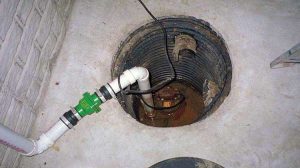
Maneuvering the world of home maintenance can often feel like a complex maze. But don’t fret, understanding sump pump basics isn’t as challenging as it seems. A sump pump’s primary role in your basement is to prevent flooding by removing excess water. It’s like your home’s personal raincoat, always ready to keep the water out.
Essentially, a sump pump is a device that’s installed in your basement’s lowest point, or the sump pit. When water levels rise – usually due to heavy rain or melting snow – it gets to work. The pump detects this rise in water levels automatically, thanks to a pressure sensor or float activator.
Once the water reaches a pre-set level, it’s pumped out of your home, typically into a municipal storm drain or a dry well.
Sump pumps are powered by electricity, but it’s vital to have a battery backup system. Why? Because power outages often accompany severe storms, and you don’t want a blackout to leave your basement vulnerable to flooding.
Importance of Regular Maintenance
Regular maintenance of your sump pump plays an important role in flood prevention.
It’s not enough to merely own a sump pump; you must guarantee it’s working at peak efficiency. Remember, a sump pump in disrepair is like not having one at all, which can leave your basement vulnerable to flooding.
Invest time in checking your pump frequently. Make sure it’s plugged in, the power cord is in good shape, and the pump is operational by pouring water into the pit, triggering the float switch. If it’s not activating or pumping water, you may have a problem.
It’s vital to clean the sump pit, removing any dirt, gravel, or debris that could impede the pump’s functionality.
Additionally, inspect the discharge line for any blockage or freezing; a blocked line won’t allow water to exit, causing it to back up.
Confirm the check valve’s proper functioning, too. Its role is to prevent water from flowing back into the pit once the pump stops. If it’s malfunctioning, the pump might need to work harder, shortening its lifespan.
Your sump pump is your basement’s first line of defense against flooding.
Regular maintenance isn’t just advisable; it’s critical.
Selecting the Right Pump
Selecting the right sump pump is essential in maximizing flood prevention in your basement. There’s more to this process than just picking any pump off the shelf; it’s about understanding your specific needs and selecting a pump that meets them.
Your first consideration should be the type of pump. Submersible pumps, installed in a pit and completely submerged in water, are quiet and efficient, but they’re more expensive and harder to service.
Pedestal pumps, on the other hand, have their motor elevated above the pit, making them easier to service but also noisier and less efficient.
Next, consider the pump’s capacity. This is typically measured in gallons per hour (GPH) at a specific lift height. For instance, if you’re dealing with heavy rainfall, you’d need a pump with a higher GPH.
Thirdly, look at the pump’s build quality. Cast iron pumps are durable and dissipate heat well, prolonging their lifespan.
Plastic pumps, while cheaper, won’t last as long.
Lastly, consider additional features like a battery backup or an alarm system. These can provide peace of mind during power outages or pump failures.
Always remember, the right sump pump is vital in protecting your basement from flooding.
Key Components of a Sump Pump
Understanding the key components of a sump pump is fundamental for effective flooding prevention. Your sump pump is a multipart machine, each piece essential to its overall performance.
First, you’ve got the pump motor. This is the heart of the system, responsible for powering the pump to move water from your basement. It’s typically electric and must be strong enough to handle the volume of water it’ll encounter.
Next is the impeller. This rotating part creates force to drive water up and out of your basement. It’s critical to have a high-quality impeller that won’t easily clog or break.
The float switch is another important component. It automatically triggers the pump when water reaches a certain level, guaranteeing your basement doesn’t flood. You’ll want one that’s accurate and reliable.
Finally, there’s the check valve. This prevents water from flowing back into your basement after it’s been pumped out. A good check valve is key to making sure your pump’s work isn’t undone.
Understanding these components will help you make certain your pump is in top condition, ready to protect your basement from the threat of flooding.
Common Sump Pump Problems to Avoid
Preventing sump pump failure, a homeowner’s nightmare, starts with recognizing the common problems that can plague your system.
First, power failures are a frequent issue. Your sump pump is electric and in a storm, when you need it most, you may likely lose power. Consider obtaining a battery backup to avoid this problem.
Next, clogs can occur from dirt, debris or, in some cases, the pump itself if it’s not covered by a lid. Regular cleaning and maintenance can prevent this.
Thirdly, you may face switch problems. If your pump shifts inside the basin, the float that triggers the switch can get stuck. Make sure your pump stays firmly in place.
Another issue is the capacity or size of your pump. If it’s too small, it won’t be able to handle high volumes of water, while a too large pump can cause unnecessary wear and tear.
Lastly, improper installation can be a serious issue. Though we’ll explore installation in the next section, remember that an incorrectly installed pump won’t work efficiently.
Following these tips, you’re on your way to maintaining a healthy sump pump and a dry basement.
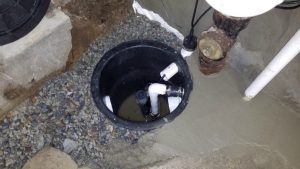
Installation Process for Sump Pumps
Installing a sump pump might seem like an intimidating task, but with the right tools and knowledge, it’s something you can accomplish.
First, you’ll need to identify the lowest point in your basement – this is where water will naturally accumulate and where your sump pit should be located.
Next, dig your sump pit. It should be deep enough to house your pump and have some space above it.
You’ll then need to place your sump pump into the pit, making sure it’s level.
Now, it’s time to install your PVC discharge pipe. Connect it to the port on your pump, running it upwards and out of your basement. Confirm it’s securely fastened and sealed to prevent leaks.
Next, connect your sump pump to a GFCI outlet for power. It’s essential to use a GFCI outlet to prevent electrical shocks.
Maintaining Your Sump Pump Over Time
To keep your sump pump functioning at its best, regular maintenance is essential. It’s not just about having it installed and forgetting about it. You’ve got to check it routinely to guarantee it’s in top shape.
First off, guarantee that the pump is upright in its basin. If it’s tilted, it mightn’t operate correctly. Check the power cord for any signs of damage. If there are any, you’ll need to replace it immediately.
Next, test the pump every few months, especially before a forecasted heavy rainfall. You can do this by pouring a bucket of water into the pit. The pump should start automatically and the water should drain swiftly. If it doesn’t, you may have a problem.
Inspect the discharge line regularly to guarantee it’s not blocked or frozen. If it is, clear it out as soon as possible. Additionally, the float component should move smoothly. If it’s stuck or hindered, it won’t trigger the pump correctly.
Lastly, clean the pump and the pit annually to remove any debris or build-up. This can prevent the pump from getting clogged.
Don’t let neglect cause you costly repairs or a flooded basement. Regular maintenance is your best defense.
Real-Life Examples of Sump Pump Successes
You’ve maintained your sump pump regularly, but how effective will it be in unexpected weather situations?
Consider real-life examples where homeowners remained unscathed despite heavy rainfall due to proactive measures like a well-functioning sump pump.
These successes resulted in dry floors and no damage, proving the value of this investment.
Unexpected Weather, Unscathed Basement
When unexpected weather hits, a sump pump can be your basement’s best defense against water damage. Let’s explore how this works. Sudden rainfall or a rapid snowmelt can cause the water table around your home to rise. If it rises above the level of your basement, water can start seeping in. However, your sump pump doesn’t allow that to happen.
As the groundwater level increases, it flows into the sump pit. Once it reaches a certain level, the pump’s float switch is triggered. In response, the pump kicks into action, pushing the water out of the pit and away from your house through a discharge pipe.
Consider the case of a homeowner who installed a sump pump in their basement after experiencing minor flooding during a heavy downpour. The next time a storm hit, the sump pump efficiently diverted water away from their basement, preventing any damage.
A well-functioning sump pump offers peace of mind in unpredictable weather conditions. It’s essential, however, to guarantee it’s always in top working condition.
You can’t predict the weather, but with a sump pump, you can certainly prepare for it.
Regular Maintenance, Dry Floors
Countless homeowners have proven the effectiveness of regular sump pump maintenance in keeping their basements dry. Rather than waiting for a flood to happen, they’ve taken proactive steps to guarantee their basements stay moisture-free. You, too, can use this method to keep your basement dry, and here’s how.
Firstly, you need to check the pump operation regularly. This involves listening for unusual noises from the pump motor and checking the discharge line for obstructions. You should also look at the inlet screen for blockages and confirm the float component isn’t stuck.
Secondly, you should test the pump periodically by pouring a bucket of water into the sump pit and watching the pump activate. If it doesn’t, you’ve got a problem that needs immediate attention.
Finally, you ought to replace the pump’s battery every two to four years, even if it’s not showing signs of failure. The last thing you want is a dead battery during a heavy rainstorm.
These homeowners have found that regular maintenance not only prevents basement flooding but also extends the life of their sump pumps.
Therefore, don’t neglect your pump; regular checks can save you from a waterlogged disaster.
Proactive Measures, No Damage
Numerous homeowners have mastered the art of proactive measures, resulting in no water damage in their basements due to flooding.
Let’s take Jim, for example. Jim’s sump pump runs non-stop during heavy rains, efficiently pumping water out of his basement. He hasn’t dealt with a waterlogged basement in years, thanks to his sump pump.
Then, there’s Sarah. After her basement flooded a few years back, she installed a sump pump. Now, she can rest easy during stormy nights, knowing her basement will remain dry. She’s even converted her basement into a cozy den, without worrying about water damage.
But these aren’t just isolated cases. There’s also Bill. His house, located in a flood-prone area, used to have regular flooding issues. But after installing a sump pump, he’s successfully kept his basement dry, even during the worst of storms.
Essentially, a properly functioning sump pump can be a lifesaver. It’s all about taking those proactive steps to avoid potential damage.
Don’t wait for a flood to happen. Install a sump pump today, and you too can enjoy a dry, damage-free basement.
Protect Your Basement with Sump Pump Maintenance for Flood Defense
Without a sump pump, your basement’s a potential flood zone. With one, it’s a dry, safe space. It’s a simple but essential piece of equipment, tirelessly working to protect your home from water damage. But remember, installation is just the start; regular maintenance is key. Avoid common pitfalls, keep your pump in top shape, and you’ll have a reliable flood guard. Isn’t it comforting to know that your home remains protected even when the rain is pouring?

Giulio and Jennifer Bevilacqua are the dedicated and passionate owners of Highlander Waterproofing, a trusted name in basement waterproofing and foundation repair. With a commitment to protecting homes and ensuring the safety and well-being of families, Giulio and Jennifer have built Highlander Waterproofing into a premier service provider in the region. Their hands-on approach, combined with years of industry expertise, has helped them earn a stellar reputation for delivering reliable and effective waterproofing solutions.
The Bevilacquas pride themselves on offering personalized service, using proven techniques, and employing a team of highly trained professionals who share their dedication to quality workmanship. As a family-owned and operated business, Giulio and Jennifer emphasize integrity, transparency, and a genuine concern for their clients’ needs. They believe in building lasting relationships with their customers by ensuring each project is completed to the highest standards. Highlander Waterproofing continues to thrive under their leadership, offering innovative solutions and exceptional customer service that homeowners can depend on.
