


Did you know that your basement’s susceptibility to water damage increases markedly during winter due to freeze-thaw cycles? Snowfall can creep into any existing cracks and, when melted, can cause considerable damage. You might think you’re off the hook once the snow melts away, but the real trouble starts when the water seeps into your basement, causing potential mold growth and structural instability. So, wouldn’t you be interested in learning how to prevent this costly damage before winter strikes? Let’s get into how effective winter basement waterproofing can save you from a lot of trouble and expense.
Understanding Basement Water Damage
Experiencing water damage in your basement can be a frustrating ordeal. It’s not just about dealing with the mess, you’re also faced with potential structural issues and costly repairs. Understanding the causes and implications of water damage is essential to managing this problem effectively.
Water can enter your basement in several ways. It could be due to external factors such as heavy rainfall, a high water table, or poor drainage systems around your property. Alternatively, internal issues like pipe leaks or condensation can also lead to water accumulation.
These situations can cause a myriad of problems ranging from damp, musty smells to the growth of mold and mildew.
Structural damage is another major concern. Continuous water exposure can weaken the foundation of your home, leading to cracks and other structural issues. Additionally, water damage may lead to electrical hazards, especially if water comes into contact with your home’s wiring system.
It’s important to address water damage promptly. Ignoring it won’t make it go away; it’ll only worsen over time, leading to further complications.
Importance of Winter Waterproofing
As winter approaches, waterproofing your basement becomes even more essential. This is due to the drastic changes in weather conditions including snowfall, freeze-thaw cycles, and increased humidity levels. These conditions can wreak havoc on your basement, leading to water infiltration, structural damage, and even mold growth.
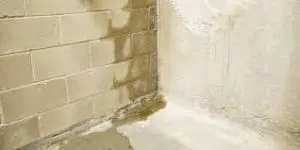
Winter waterproofing is a proactive measure designed to protect your property against these potential problems. It’s not just about keeping your basement dry during the cold months, it’s about preserving the integrity of your home. When your basement is properly waterproofed, you’re also safeguarding your home’s foundation, walls, and overall structural integrity.
Moreover, a well-waterproofed basement plays an important role in maintaining the comfort and healthiness of your home environment. It helps to prevent cold drafts and contributes to better heating efficiency, which can save you money on energy bills. It also prevents the growth of mold and mildew, which can cause serious health issues.
Above all, winter waterproofing provides peace of mind. You won’t have to worry about unexpected water damage repairs in the middle of winter. So, it’s not simply a seasonal task, it’s an investment in your home’s future stability and your family’s well-being.
Identifying Potential Risk Areas
Now, let’s turn your attention to identifying potential risk areas in your basement.
It’s crucial to spot vulnerabilities, starting with a thorough assessment of wall cracks, as these can be telltale signs of potential water entry points.
Additionally, a detailed inspection of your drainage system will guarantee it’s functioning efficiently to prevent winter water damage.
Spotting Basement Vulnerabilities
In the heart of winter, it’s crucial to identify potential vulnerabilities in your basement that may lead to water damage. These vulnerabilities can be subtle, and you might overlook them without a keen eye.
Start by examining the floor. Look for dark spots or discolouration, which could signal moisture seepage. Next, check for efflorescence, a white powdery substance that forms when water evaporates from concrete or brick. It’s a clear sign of moisture intrusion.
Don’t forget to inspect the ceiling. Water stains or mould growth could indicate a leak from above. Pay special attention to spots where pipes or wires penetrate the ceiling, as these are common entry points for water.
Next, scrutinize the windows. If they’re not well-sealed, cold air can cause condensation, which may lead to water damage. Warped or rotting window frames are another sign of moisture problems.
Assessing Wall Cracks
Every basement wall is likely to have a few cracks or fissures. It’s a natural occurrence that stems from the house settling over time or the pressure exerted by surrounding soil.
But when does a crack become a cause for concern, especially in the winter months?
You need to closely inspect these cracks. If they’re small and show no signs of moisture, you’re probably safe.
However, if you notice a crack that’s wider than 1/8th of an inch or growing over time, it’s a potential risk area. Similarly, be on the lookout for horizontal or jagged cracks. These types often indicate serious structural issues that can lead to significant water damage if left untreated.
Water can freeze in these cracks, causing them to expand and worsen during cold weather. In the worst-case scenario, they can compromise the structural integrity of your home.
Moisture stains or visible leaks around these cracks are also alarming signs.
In short, don’t dismiss wall cracks as harmless. By carefully evaluating them, you can prevent potential water damage and guarantee the longevity of your home’s structure.
Drainage System Inspection
Before delving further into basement waterproofing, it’s crucial to inspect your home’s drainage system. This critical step can help identify potential risk areas, allowing you to take preventative measures before any real damage occurs.
Start by examining your gutters and downspouts. They’re your first line of defense against water damage, channeling rainwater away from your foundation. Confirm they’re clean, clear of debris, and functioning properly. If they’re clogged or broken, water can overflow and pool around your home, increasing the risk of basement flooding.
Next, check your yard’s grading. It should slope away from your home, directing water towards the street or another suitable runoff area. If it doesn’t, consider regrading to prevent water from seeping into your basement.
Also, inspect your sump pump if you have one. It’s a key component of many home drainage systems, removing water that accumulates in a sump basin and preventing it from rising to a level where it could cause damage.
Verify it’s in good working condition and consider having a backup system for added protection.
Effective Basement Waterproofing Methods
Now, let’s turn our attention to effective basement waterproofing methods.
You’ll need to identify any current water leaks in your basement, carefully choose the right waterproofing materials, and implement effective drainage solutions.
Understanding these elements is essential in maintaining a dry, safe basement throughout the harsh winter months.
Identifying Basement Water Leaks
A surprisingly large number of homeowners struggle with identifying basement water leaks, a fundamental step in implementing effective basement waterproofing methods. You may feel overwhelmed, but don’t fret; it’s simpler than you think.
Start by inspecting for common signs of water intrusion. Damp spots, discoloration, or mold on walls and floors are dead giveaways. Also, a musty odor or unusually high humidity levels can indicate unseen moisture problems. Remember, water doesn’t always enter basements visibly; it can seep through tiny cracks or pores in your foundation.
Conduct a detailed investigation during or immediately after a rainstorm. This is when leaks are most likely to occur and be identifiable. Don’t forget to check around windows, doors, and any utility entries for possible leak sources.
Lastly, consider hiring a professional for a thorough basement inspection. They’re equipped with advanced tools and expertise to detect even the most elusive leaks. It’s an investment worth making to guarantee your basement stays dry and damage-free during the cold winter months.
Choosing Waterproofing Materials
Selecting the right waterproofing materials is a critical phase in effective basement waterproofing. You’ll want to choose products that can withstand harsh winter conditions, preventing water ingress and ensuring structural integrity.
One top pick is a waterproofing membrane, a thin layer of watertight material applied to the surface, providing an impervious barrier. Bitumen-based or polymer-modified asphalt products are common choices due to their high resistance to cold temperatures and water.
Alternatively, you might consider waterproofing paint or sealant. These are typically acrylic-based and designed to create a waterproof barrier on the basement’s interior walls. While they’re less robust than membranes, they’re easier to apply and can still offer adequate protection if used correctly.
Another option is crystalline waterproofing. This method uses a cement-based system that reacts with water and un-hydrated cement particles to fill and seal concrete pores, creating a waterproof barrier.
Lastly, consider insulation boards. These are applied externally to basement walls, providing an extra layer of protection against water ingress. These boards also offer the added benefit of improving thermal performance.
Implementing Drainage Solutions
After you’ve chosen your waterproofing materials, the next step in guaranteeing an effective basement waterproofing is implementing a proper drainage system. Adding a drainage solution isn’t just an option, it’s an essential part of any thorough waterproofing plan. It guarantees that any water that does make it into your basement has a quick and efficient exit route.
There are several types of drainage solutions that you could choose from. Interior drains, like a French drain, are very effective. They’re installed under your basement floor and direct water that enters your basement toward your sump pump.
Exterior drains, on the other hand, are installed around the outside perimeter of your basement. They catch water before it can get into your basement and divert it away from your home’s foundation.
Another common option is a sump pump. It’s a device that collects water in a basin and then pumps it out of your basement. This can be particularly useful during the winter months, when snow and ice melt can lead to water buildup.
Practical Cold-Weather Maintenance Tips
Frequently, homeowners underestimate the significance of maintaining their basements during the chilly winter months. Yet, proper cold-weather maintenance is vital in preventing damaging water infiltration.

So, here are some practical tips you can follow.
Firstly, verify that your gutters and downspouts are clean and free from debris. This will allow snowmelt to flow away from your foundation, reducing the risk of seepage into your basement.
Additionally, insulate water pipes in your basement to prevent freezing and potential bursting, which can cause extensive water damage.
Secondly, consider investing in a high-quality dehumidifier. Winter air can often be damp, which can lead to condensation and moisture buildup in your basement. A dehumidifier helps in maintaining a dry environment, discouraging the growth of mold and mildew.
Lastly, check your sump pump regularly. A well-functioning sump pump is essential in preventing basement flooding during winter thaws.
Test it by pouring a bucket of water into the sump pit. The pump should start up immediately, removing the water and turning off afterwards. If it doesn’t, you’ll need to address this issue promptly.
Hiring Professional Waterproofing Services
While these do-it-yourself measures can greatly reduce the risk of winter water damage in your basement, there are times when professional waterproofing services may be your best option.
They possess the know-how, tools, and materials needed to guarantee a thorough job. They can also accurately diagnose the root of the problem and provide a complete solution.
Hiring professionals can save you time, effort, and potentially money in the long run. They can spot overlooked issues and prevent minor problems from escalating into major ones.
You’ll have peace of mind knowing your basement is sufficiently protected against water damage during the cold months.
When hiring a professional waterproofing service, it’s important to do your research. Look for a company with good reviews, a solid reputation, and relevant experience.
Get quotes from several providers to confirm you’re getting a fair price. Make sure they’re licensed, insured, and offer a guarantee for their work.
Ongoing Winter Basement Waterproofing: Maintenance and Expert Help
So, you’ve braved the cold, wrestled with your sump pump, and faced the beastly wall cracks. But remember, your basement isn’t a winter warrior yet. Waterproofing isn’t a one-and-done deal, it’s as ongoing as your love-hate relationship with winter. Keep the maintenance up, continue your vigilance, and when you’re in over your head, don’t hesitate to call in the pros. After all, they’re like superheroes for your basement, minus the flashy capes.

Giulio and Jennifer Bevilacqua are the dedicated and passionate owners of Highlander Waterproofing, a trusted name in basement waterproofing and foundation repair. With a commitment to protecting homes and ensuring the safety and well-being of families, Giulio and Jennifer have built Highlander Waterproofing into a premier service provider in the region. Their hands-on approach, combined with years of industry expertise, has helped them earn a stellar reputation for delivering reliable and effective waterproofing solutions.
The Bevilacquas pride themselves on offering personalized service, using proven techniques, and employing a team of highly trained professionals who share their dedication to quality workmanship. As a family-owned and operated business, Giulio and Jennifer emphasize integrity, transparency, and a genuine concern for their clients’ needs. They believe in building lasting relationships with their customers by ensuring each project is completed to the highest standards. Highlander Waterproofing continues to thrive under their leadership, offering innovative solutions and exceptional customer service that homeowners can depend on.