


As the rainy season approaches, it’s essential to prepare your basement adequately to prevent potential damages from heavy rain and flooding. You’ve got to inspect for cracks, guarantee proper drainage, waterproof the space, and even consider installing a sump pump. But, there’s more to it than that, and some steps might surprise you. Ready to learn more about safeguarding your basement and ultimately, your home?
Assessing Your Basement’s Vulnerability
Before you can protect your basement from the onslaught of heavy rain, it’s crucial to understand its vulnerability. The first step in evaluating your basement’s vulnerability is to inspect it thoroughly. Look for cracks in the walls, floors, and around windows. These are potential entry points for water.
Next, check the slope of your property. If your house is at the bottom of a hill or in a flood zone, it’s at a higher risk. You should also assess your landscaping. Overgrown vegetation and poor drainage systems can exacerbate flooding problems.
Examine your foundation carefully. A damaged or weakened foundation can lead to serious structural problems if exposed to excess water.
You also need to scrutinize your current water control measures. Do you have a sump pump? Is it working properly? If you don’t have one, it’s worth considering.
Lastly, inspect your gutters and downspouts. If they’re clogged or not directing water away from your house, they could be contributing to your basement’s vulnerability.
Importance of Regular Maintenance
Regular maintenance is an essential part of preparing your basement for heavy rain.
It’s not just about addressing immediate repairs; maintaining your basement’s condition can prevent future issues and save you from unexpected costs down the line.
Let’s explore the benefits of preventive maintenance and how to handle unexpected repairs.
Preventive Maintenance Benefits
Investing time in preventive maintenance for your basement can yield significant benefits, particularly when heavy rain is in the forecast. This essential step not only helps to safeguard your property but is also a cost-saving measure that can prevent costly repairs down the line.
Preventive maintenance typically includes regular checks for cracks or leaks in the walls or floor of your basement, ensuring your sump pump is working efficiently, and checking for mold and mildew.
It’s also important to maintain your gutters and downspouts, which play a key role in directing water away from your home’s foundation.
Regular maintenance prevents small issues from turning into big problems. For instance, a tiny crack might seem insignificant but, if left unchecked, it can widen over time and allow water to seep in, leading to dampness, mold growth, and structural damage.
Handling Unexpected Repairs
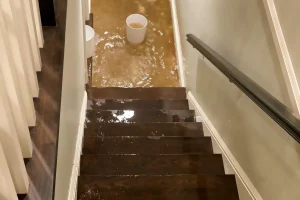
When it comes to your basement’s upkeep, the term “expect the unexpected” rings true. Despite your best efforts, sometimes things go awry. A pipe may burst, a sump pump might fail, or cracks could suddenly appear in your foundation. It’s crucial to handle these unexpected repairs promptly to prevent further damage and potential flooding.
First, familiarize yourself with your basement’s systems and structures. Know where to find your water shut-off valve and how to operate your sump pump. This knowledge can be invaluable in an emergency situation, allowing you to quickly mitigate any immediate risks.
Next, establish a relationship with a trustworthy local contractor. When a problem arises, you won’t have the luxury of time to vet professionals, so it’s best to do this in advance. Make sure they’re experienced in basement repairs and waterproofing.
Finally, budget for these unexpected expenses. Regular maintenance can help prevent many issues, but it’s not a guarantee. Set aside some funds each month for emergency repairs. This way, when the unexpected happens, you’re not only prepared, but you also have the means to handle it effectively.
Maintaining your basement requires vigilance and preparedness, but with these steps, you’ll be well-equipped to handle unexpected repairs.
Basement Waterproofing Techniques
Ever wonder how to protect your basement from potential flooding? Well, you’re in the right place. Let’s explore some effective basement waterproofing techniques.
First off, consider interior sealants. These are a quick fix and can be applied directly to your walls and floors to block moisture.
They’re not a permanent solution, but they can help in a pinch.
Next, let’s talk about exterior waterproofing. This is a more thorough approach that involves excavating around your house to install a waterproof coating or membrane on the outside of your basement walls.
It’s more expensive and labor-intensive, but it’s also the most effective way to keep water out of your basement.
Lastly, consider installing a sump pump. This device collects water that enters your basement and pumps it out before it can cause any damage.
It’s a great backup plan, especially if you live in an area prone to heavy rain.
Importance of a Good Drainage System
Good drainage is vital in protecting your basement from the damaging effects of heavy rain.
An effective drainage system can prevent flooding and the associated problems like mold growth and structural damage.
Regular maintenance of your drainage system guarantees it’s functioning at its best when you need it most.
Effective Basement Drainage Solutions
A well-designed drainage system is your basement’s first line of defence against heavy rain.
It’s crucial to have a system that effectively redirects water away from your home, preventing it from seeping into your basement and causing damage.
Consider installing an interior drainage system, a solution that’s less invasive than exterior waterproofing.
It collects water that enters your basement and directs it to a sump pump system. These systems are designed to handle significant amounts of water and can efficiently pump it away from your home.
Another effective solution is a French drain, which is a trench filled with gravel or rock containing a perforated pipe that redirects surface water away from your house.
It’s best suited for homes that sit on a slope.
Basement window well drains are also an excellent investment if your basement windows are below ground level.
They help prevent window wells from filling up with water, which can lead to leaks around the window frames.
Maintaining Your Drainage System
Maintaining your basement’s drainage system is a task of utmost significance. A well-maintained system guarantees water drains away from your home, reducing the risk of water damage and flooding.
However, a neglected system can lead to blockages, causing water to back up and potentially flood your basement.
To keep your system running smoothly, routinely inspect and clean your gutters and drains. Debris like leaves and twigs can clog your gutters and cause water to overflow.
You should also check your downspouts, making sure they’re directing water away from your home’s foundation.
Your basement’s interior drainage system also requires attention. Regularly cleaning your sump pump and checking for leaks can prevent unexpected failures when you need it most.
It’s also vital to inspect your property for signs of poor drainage, such as water pooling in your yard or damp patches on your basement walls.
If you spot any issues, you may need to seek professional help.

Installing a Sump Pump
To safeguard your basement against the ruthless onslaught of heavy rain, installing a sump pump is an effective measure you shouldn’t overlook. This device helps to collect excess water from your basement and discharges it away from your home’s foundation. It’s an investment that’ll pay for itself many times over by preventing costly water damage.
First, you’ll need to identify the lowest part of your basement, where water would naturally accumulate. This is where your sump pump will be installed. Make sure that you’ve proper electrical outlets nearby as sump pumps require power to operate.
Secondly, consider the type of sump pump that suits your needs. Submersible pumps, though more expensive, are quieter and tend to have a longer lifespan. Pedestal pumps, on the other hand, are less expensive and easier to maintain but are noisier.
Lastly, it’s important to test your sump pump regularly, especially before the rainy season. Pour a few buckets of water into the sump pit to see if the pump kicks in.
This simple act can help you detect any issues early and save you from a flooded basement in the future.
Safeguarding Your Valuables
Every single item stored in your basement, whether it’s treasured family heirlooms or significant documents, needs to be safeguarded from potential water damage due to heavy rain.
First, it’s essential to relocate these items to a higher level in your home, ideally an upper floor, to avoid any contact with water.
If moving items isn’t feasible, consider waterproof containers. These are specially designed to keep moisture out, protecting your belongings even if water finds its way into your basement.
Make certain you seal these containers properly to guarantee maximum protection.
For critical documents, create digital copies as a backup. Use cloud-based storage services like Google Drive or Dropbox, so you can access them from anywhere, even if the physical copies are destroyed.
Insurance can act as an additional safety net. Check your homeowner’s insurance policy to see if it covers flood damage. If it doesn’t, consider getting a separate flood insurance policy.
Remember, it’s better to be safe than sorry.
Lastly, create an inventory of the valuables stored in your basement. This will help you keep track of what needs to be protected and can also aid in insurance claims, if necessary.
Dealing With Power Outages
When a heavy downpour hits, power outages can become a common occurrence. They’re not only inconvenient but also pose a risk to your basement’s safety. To prepare for this, you’ll need to take several steps.
Firstly, consider investing in a battery-powered sump pump. These devices will continue to work even when the power goes out, ensuring that water doesn’t flood your basement.
It’s also a good idea to keep a stock of fresh batteries in your basement to power any necessary equipment.
Next, you should have portable, battery-operated lights on hand. These will provide much-needed illumination during an outage.
Avoid candles as they can be a fire hazard, especially in a potentially wet environment.
Finally, consider installing a gas-powered generator. Connected to your home’s electrical system, it can provide power to essential devices and appliances during an outage.
Keep in mind that generators should never be used indoors due to the risk of carbon monoxide poisoning. They must be placed outdoors, away from windows and doors.
Creating an Emergency Plan
In light of the unpredictable and potentially damaging effects of heavy rain, creating an emergency plan for your basement is a must. This plan should outline what actions you’ll take if your basement starts to flood.
First, make a list of important phone numbers, such as your insurance company, a trusted plumber, and local emergency services. Keep this list in an easily accessible place. You should also have a plan in place for where you’ll move valuable items to prevent damage.
Next, guarantee you’ve got a well-stocked emergency kit. This should include a flashlight, extra batteries, a first-aid kit, bottled water, and non-perishable food items.
Don’t forget to include a battery-operated or hand-crank radio to stay updated on weather conditions.
Additionally, familiarize yourself with how to shut off your home’s electricity, gas, and water. In certain flooding situations, you may need to do this to prevent further damage or danger.
Lastly, discuss the plan with all family members. Everyone should know what to do if flooding occurs.
Final Checklist: Essential Basement Flood Protection Tips
In the end, protecting your basement from heavy rain and flooding is no small task, but it’s as critical as the roof over your head. Regular maintenance, effective waterproofing, and a reliable drainage system are your best armor against water damage. Cherish your valuables by moving them to safer grounds and be ready to brave any storm with a well-planned emergency strategy. Remember, an ounce of prevention is worth a pound of cure when it comes to flood protection.

Giulio and Jennifer Bevilacqua are the dedicated and passionate owners of Highlander Waterproofing, a trusted name in basement waterproofing and foundation repair. With a commitment to protecting homes and ensuring the safety and well-being of families, Giulio and Jennifer have built Highlander Waterproofing into a premier service provider in the region. Their hands-on approach, combined with years of industry expertise, has helped them earn a stellar reputation for delivering reliable and effective waterproofing solutions.
The Bevilacquas pride themselves on offering personalized service, using proven techniques, and employing a team of highly trained professionals who share their dedication to quality workmanship. As a family-owned and operated business, Giulio and Jennifer emphasize integrity, transparency, and a genuine concern for their clients’ needs. They believe in building lasting relationships with their customers by ensuring each project is completed to the highest standards. Highlander Waterproofing continues to thrive under their leadership, offering innovative solutions and exceptional customer service that homeowners can depend on.
