


You’ve noticed the signs: a musty smell, damp spots on the walls, maybe even some mildew. Basement water problems are more common than you’d think, often starting with unnoticed leaks, poor drainage, or condensation. Sure, there’s a lot to reflect on, like groundwater saturation, grading issues, and even your gutters. But what if you could nip these problems in the bud before they cause real damage? Imagine having a dry, healthy basement year-round. Don’t worry, it’s not as intimidating as it sounds. Let’s explore some effective strategies to keep your basement dry, shall we?
Understanding Basement Water Problems
Basement water problems, a homeowner’s nightmare, can be both perplexing and damaging. They’re an issue you want to address sooner rather than later, as they can lead to more severe complications if left untreated. However, when faced with leaking or dampness in your basement, it’s vital to understand what you’re dealing with.
Firstly, it’s important to differentiate between a leak and condensation. A leak often presents as a pool of water or a wet spot on the wall or floor, while condensation typically results in a damp, humid environment. This simple distinction can help you determine the appropriate response.
Secondly, it’s important to understand the severity of the problem. Is it a one-time occurrence or a recurrent issue? The frequency and extent of the water problem greatly affect the measures you’ll need to take.
Finally, you need to realize that not all basement water problems are linked to visible water sources. Sometimes, the issue might stem from hidden sources or structural faults. As a result, you should be prepared to investigate thoroughly.
Understanding these basic aspects of basement water problems will equip you better to deal with them effectively. Remember, knowledge is the first step to resolution.
Common Causes of Basement Moisture
Before you can effectively prevent basement moisture, you need to understand its common causes.
Identifying sources of moisture is the first step in this process.
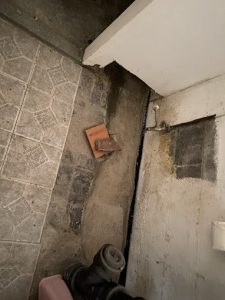
Let’s now explore these causes, which will then lead us to effective moisture prevention strategies.
Identifying Moisture Sources
You might be surprised to learn that moisture in your basement can originate from a variety of sources.
It’s not just about leaks or floods; there’s more to it. For instance, condensation can be a major culprit. This occurs when moist, warm air comes in contact with your basement’s cool walls, causing the air to lose heat and form water droplets.
Next, think about groundwater. If the soil around your home is regularly saturated with water, this excessive moisture can seep through your basement walls or floor.
Poor drainage systems can worsen this problem, directing water towards your home instead of away from it.
Another common source is internal leaks. You’d be amazed at how much moisture can come from a leaking pipe, especially if it’s hidden behind a wall or under a floor.
Lastly, don’t overlook outdoor sources. Rainwater or melted snow can easily seep into your basement if your home doesn’t have sufficient gutters, downspouts, or grading.
Effective Moisture Prevention
Having identified the various sources of moisture in your basement, it’s time to look at how to effectively prevent these issues. The first line of defense is proper insulation. Insulation not only keeps the chill out but also reduces condensation since it keeps the basement walls closer to room temperature.
Next, consider installing a dehumidifier. This device reduces the amount of moisture in the air, making your basement less hospitable to mold and mildew growth. It’s an investment that can save you a lot of trouble down the line.
Another significant step is to guarantee proper grading around your home. The ground should slope away from your home to prevent water from pooling around the foundation. If it doesn’t, you might need to regrade the soil or install a drainage system.
Don’t neglect the importance of maintaining your gutters and downspouts either. They should be clean, free of debris, and directed away from your home. This helps to keep water from seeping into your basement.
Lastly, consider applying a waterproofing sealant to your basement walls. This barrier can help keep out moisture, making sure your basement stays dry and safe.
The Impact of Poor Drainage
The consequences of poor drainage can be quite severe, especially in a basement. When water doesn’t drain properly, it accumulates, creating an environment where mold and mildew thrive. These organisms not only generate an unpleasant musty smell, but they also pose significant health risks, including allergic reactions and respiratory issues.
Poor drainage can also lead to structural damage. The constant presence of water can cause your basement’s concrete walls and floors to crack and weaken. If left unchecked, your foundation’s integrity can be compromised, leading to costly repairs.
Furthermore, constant dampness can ruin your belongings stored in the basement. In regions where the water table is high, a poorly drained basement is prone to flooding. This problem becomes worse during heavy rainfall or snowmelt, as water has nowhere to go, but into your basement.
It’s also worth noting that inefficient drainage can negatively impact your home’s energy efficiency. Damp spaces are harder to heat and cool, leading to increased energy bills.
In a nutshell, poor drainage can disrupt your life in many ways, but with the right approach, it’s a problem that can be fixed.
Identifying Early Warning Signs
Understanding the early warning signs of basement water problems is a proactive approach to preventing the considerable issues caused by poor drainage.
It’s crucial to keep an eye out for these signals to avoid costly repairs.
Firstly, you’ll notice damp spots or water pooling on the basement floor, especially after rain or snow. This indicates water seepage, which you shouldn’t ignore. Over time, it can lead to more serious damage.
Next, look out for peeling paint or warped walls. Moisture can cause the paint to peel off and the walls to warp. If you see these signs, there’s a high chance that water is seeping into your basement.
Mold, mildew, or a musty smell are also red flags. These are health hazards and can greatly decrease your home’s value if left untreated.
Efflorescence, which is a white, powdery substance on your concrete walls or floor, suggests that water is evaporating and leaving behind mineral deposits.
Lastly, rust on appliances, fixtures, or the furnace shows that there’s excess moisture in your basement.
Effective Basement Waterproofing Solutions
Water problems in your basement can be a homeowner’s worst nightmare, but with effective waterproofing solutions, you can tackle these issues head on. There are several options you can explore, depending on the severity of the problem and your budget.
One solution is the installation of a sump pump. This device collects excess water and pumps it away from your home, preventing it from seeping into your basement.
Another option is interior water drainage. Using a series of drains, this system captures water that gets inside and diverts it away from your basement.
If water is penetrating through your walls, you might consider applying a waterproofing sealant. This creates a watertight barrier, stopping any leakage.
Alternatively, exterior waterproofing involves excavating around your home to install a waterproof membrane and drainage system. It’s a more time-consuming and costly option, but it’s also the most effective for preventing water intrusion.
Each solution has its own pros and cons, so it’s essential to understand your specific situation before making a choice.
Maintenance Tips to Prevent Water Problems
Now that we’ve explored various waterproofing solutions, let’s shift our focus to proactive maintenance.
Regular home inspections are key in catching potential issues early on.
Equally important is implementing proper drainage systems to guide water away from your home, thereby minimizing the risk of basement water problems.
Regular Home Inspection
Conducting regular home inspections can be a lifesaver when it comes to preventing basement water problems.
Here’s why: these inspections allow you to detect early signs of water intrusion or damage, giving you the opportunity to address them before they escalate.
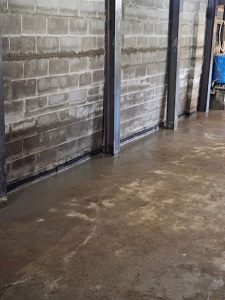
When performing a regular home inspection, focus on these key areas:
- Foundation Walls: Look for signs of dampness, cracks, and bulges. These could indicate water seepage.
- Basement Windows: Confirm they’re properly sealed and well-maintained to prevent water from leaking in.
- Pipes and Plumbing: Check for leaks, rust, or corrosion. A small leak can lead to significant water problems over time.
- Sump Pump: If you have one, make certain it’s functioning correctly. A malfunctioning sump pump can cause water build-up in your basement.
- Basement Floor: Look for signs of water stains or discoloration. This could be evidence of water leakage or pooling.
Implementing Proper Drainage
Proper drainage plays a pivotal role in preventing basement water problems. It’s crucial to verify that water is effectively directed away from your home’s foundation. A well-implemented drainage system can prove to be a long-term solution and save you from the headache of water-related issues.
First, consider your gutters and downspouts. They’re your first line of defense, carrying rainwater away from your home. Verify they’re clean, free from debris, and functioning properly. If they’re clogged or broken, water can overflow and seep into your basement.
Next, pay attention to the grading of your yard. It should slope away from your house, directing runoff water away from your foundation. If it doesn’t, you might need to regrade your yard or install a French drain.
Installing a sump pump can also be beneficial, especially in areas prone to heavy rainfall or if your home’s basement is below the water table level. A sump pump will collect water that enters your basement and pump it outside, away from your home.
In summary, tackling basement water problems begins with understanding their causes and spotting early warning signs. It’s essential to maintain your drainage systems and guarantee proper insulation to prevent moisture build-up. Remedies like sump pump installation can also keep basements dry. Stay alert for damp spots or mold growth – addressing these signs early can save you significant hassle and expense. With preventative measures and quick action, you can maintain a healthy, dry basement.

Giulio and Jennifer Bevilacqua are the dedicated and passionate owners of Highlander Waterproofing, a trusted name in basement waterproofing and foundation repair. With a commitment to protecting homes and ensuring the safety and well-being of families, Giulio and Jennifer have built Highlander Waterproofing into a premier service provider in the region. Their hands-on approach, combined with years of industry expertise, has helped them earn a stellar reputation for delivering reliable and effective waterproofing solutions.
The Bevilacquas pride themselves on offering personalized service, using proven techniques, and employing a team of highly trained professionals who share their dedication to quality workmanship. As a family-owned and operated business, Giulio and Jennifer emphasize integrity, transparency, and a genuine concern for their clients’ needs. They believe in building lasting relationships with their customers by ensuring each project is completed to the highest standards. Highlander Waterproofing continues to thrive under their leadership, offering innovative solutions and exceptional customer service that homeowners can depend on.
