


You’re in your basement, and there it is again – that musty smell or perhaps a sight of efflorescence on the walls. You might brush it off, but these could be signs of a hidden moisture problem, with the potential to wreak havoc on both your health and the structural integrity of your home. The threats aren’t always visible, but understanding them is essential. So, what’s happening behind your basement walls, and more importantly, what can be done about it? Let’s explore.
The Symptoms of Basement Moisture
While you may not always see it, basement moisture can be silently manifesting in your home, posing risks that are both subtle and serious.
It’s a stealthy invader, often remaining unnoticed until significant damage has occurred. But there are tell-tale signs you should be aware of.
Firstly, your nose might be your first line of defense. A musty smell often indicates mold or mildew, both products of excessive moisture.
In addition, you might notice damp spots or efflorescence on your basement walls. Efflorescence is a white, powdery substance left behind as water evaporates from the concrete.
Another symptom is rust on metal items stored in your basement.
In more severe cases, you’ll see actual water seepage or even standing water. Your floor may also feel damp to the touch.
Structural signs, such as rotting wood or crumbling concrete, are also clear indicators of a moisture problem.
Common Causes of Basement Dampness
You mightn’t realize it, but groundwater infiltration, basement condensation, and poor ventilation are common causes of basement dampness.
Groundwater can seep into your basement through cracks in the foundation or walls, leading to moisture issues.

Meanwhile, condensation occurs when warm, humid air contacts a cold surface, like your basement walls or floor, and poor ventilation can exacerbate this problem by trapping humid air.
Groundwater Infiltration Issues
Despite its seeming innocuousness, groundwater infiltration poses a significant threat to your home’s integrity. It’s the primary source of basement dampness, and it’s more prevalent than you might think. Groundwater permeates through your home’s foundation, exploiting weak points and cracks.
The causes of groundwater infiltration are multifold. It’s often due to poor grading around your home, which doesn’t allow precipitation to drain away. The soil around your home acts like a sponge, absorbing rain or melted snow. If it can’t drain away or evaporate, it exerts pressure on your foundation, forcing water into your basement.
Another common cause is inadequate or malfunctioning gutter systems. If gutters are clogged, water overflows and pools around your foundation, increasing the risk of infiltration. Similarly, broken or improperly installed downspouts can direct water towards your home rather than away from it.
Lastly, a high water table can exacerbate the issue. If your home is built in an area with a high water table, groundwater pressure on your basement walls and floor can lead to seepage and dampness.
Consequently, understanding these causes can help you mitigate the risks, protecting your home from further damage.
Basement Condensation Problems
Groundwater infiltration isn’t the only culprit when it comes to basement dampness; condensation also plays a significant role. You might notice this as a chilly, damp feeling in the basement, or see water droplets forming on cold surfaces. This is much more than an inconvenience; it’s a hidden risk that you need to address.
Why does this happen? It’s due to the difference in temperature between the air and the surface of your walls or windows. When warm, humid air comes into contact with a cooler surface, it can’t hold as much moisture. That’s when condensation occurs. An exacerbating factor is the common use of basements for laundry or storage, activities that often increase humidity levels.
The impact? Over time, this excess moisture can damage building materials and personal belongings, promote mold growth, and pose a risk to your health. It’s important to monitor humidity levels in your basement and keep them in check to prevent condensation issues. You can manage this by using dehumidifiers or moisture-absorbing materials.
Stay vigilant about condensation in your basement. It’s a hidden moisture risk that’s just as damaging as groundwater infiltration.
Poor Ventilation Consequences
Three common sources of basement dampness are condensation, groundwater infiltration, and poor ventilation. Among these, lack of proper ventilation can have severe consequences that you can’t overlook.
Poor ventilation results in stale air, which promotes mold growth and increases the humidity level. This high humidity can lead to condensation, causing dampness on your basement’s walls, floors, and stored items. Over time, this dampness can damage your property and pose a health risk due to mold and mildew proliferation.
Moreover, poor ventilation doesn’t only affect your basement’s air quality. It can also lead to a buildup of harmful gases like radon, which is a naturally occurring radioactive gas that can seep into your basement from the ground. Continuous exposure to high levels of radon can increase the risk of lung cancer.
Therefore, it’s vital to guarantee your basement is well-ventilated. This can be achieved through mechanical ventilation systems that exchange indoor air with outdoor air or through natural ventilation methods like installing vents, windows, or doors.
The Science of Moisture Migration
Often, you might overlook the complex process of moisture migration in your basement. However, understanding this phenomenon is essential to mitigating underlying moisture risks.
Moisture migration refers to the movement of water vapor from areas of high concentration (high humidity) to areas of low concentration (low humidity). Here’s the science behind it:
- Diffusion: This process is primarily driven by temperature and pressure differences. Warmer air holds more moisture, so when it comes into contact with cooler basement walls, condensation occurs.
- Capillary Action: Water can infiltrate your basement’s concrete walls through tiny capillaries or pores, drawn upwards against gravity.
- Air Movement: Moisture-laden air can infiltrate your basement through cracks and gaps, which often exist around windows, doors, and service penetrations.
- Gravity: Simply put, water flows downhill. If the land around your home slopes towards it, or if downspouts aren’t properly directed, water can pool against your foundation and seep into your basement.
Grasping the science of moisture migration helps you pinpoint potential issues in your basement.
The next step is to discern the health risks associated with damp basements, but that’s a topic for another day.
Health Risks Associated With Damp Basements
As you navigate the complexities of basement moisture, it’s essential to recognize the health threats that can emerge in damp environments.
The presence of mold can ignite respiratory complications, while heightened dampness can exacerbate allergies.
Simultaneously, the potential structural damage poses its own set of risks, all of which we’ll analyze in the following sections.
Mold and Respiratory Issues
Within the confines of a damp basement, the proliferation of mold can pose significant threats to your health, particularly concerning respiratory issues.
Mold spores, when inhaled, can instigate an array of respiratory complications, ranging from mild irritation to severe diseases.
Here’s a breakdown of four major respiratory risks associated with mold exposure:
- Allergic Reactions: Mold spores are a common allergen. You might experience symptoms like sneezing, runny nose, red eyes, and skin rashes. These symptoms can escalate if you’re allergic to the mold.
- Asthma Attacks: If you’re asthmatic, mold can trigger more frequent and severe attacks. This happens because mold spores irritate the airways, making breathing difficult.
- Hypersensitivity Pneumonitis: This is a less common but serious condition that resembles pneumonia. It develops after prolonged exposure to certain types of mold.
- Invasive Pulmonary Aspergillosis: This fatal condition occurs when mold invades the lungs of individuals with weakened immune systems, causing severe respiratory failure.
Dampness Influencing Allergies
There are numerous health risks associated with damp basements, chief among them being the exacerbation of allergies. When your basement is damp, it becomes a perfect breeding ground for allergens such as mold spores and dust mites. These allergens thrive in moisture-rich environments and can greatly compromise your health.
To understand the severity, think about mold spores. They’re microscopic, airborne particles that you can unknowingly inhale. Once in your system, they can trigger allergic reactions, causing symptoms like sneezing, itchy eyes, runny nose, and even asthma attacks. This is particularly dangerous if you’ve got pre-existing respiratory conditions or a weak immune system.
Dust mites, too, are a major concern. They feed on organic detritus like flakes of shed human skin and flourish in high humidity. Their waste and body parts can become airborne, leading to allergic reactions when inhaled.
Let’s not forget that dampness can also attract pests such as cockroaches and rodents, which carry allergens of their own.
Structural Damage Dangers
Beyond the health risks linked to allergens, dampness in your basement poses a serious threat to the structural integrity of your home. Over time, moisture can cause severe damage, weakening the foundational structures and potentially leading to costly repairs or even catastrophic failure.
- Wood Rot: Excess moisture fosters the growth of fungi, which in turn causes wood to rot. This deteriorates wooden structures like beams and flooring, compromising their weight-bearing capabilities.
- Concrete Degradation: In concrete structures, prolonged moisture exposure can lead to spalling, where concrete flakes or chips away. This gradually weakens the structure, increasing the risk of collapse.
- Metal Corrosion: Metal structures aren’t immune either. Rust, caused by damp conditions, gradually eats away at the metal, reducing its strength and durability.
- Mold Growth: While not directly damaging to structures, persistent mold growth can indicate serious moisture problems that may be causing hidden structural damage.
Ignoring these risks isn’t an option. They’re not just threats to your home’s value, but also to your safety.
Regular checks and maintenance are essential in preventing basement dampness from escalating into a structural nightmare.
Structural Threats of Basement Moisture
Unchecked, moisture in your basement can stealthily undermine the very foundations of your home.
It’s more than just an inconvenience; it’s a silent threat to your home’s structural integrity. Over time, the persistent presence of water can lead to serious damage to your home’s foundation, walls, and floors, compromising the overall stability of your building.
The problems start small, but they can quickly escalate. Water seeping into your basement can cause the concrete to expand and contract, leading to cracks and gaps.
These, in turn, can compromise the structural integrity of your entire home. It doesn’t stop there. Moisture can also foster the growth of mold and mildew, which can eat away at wood and other organic materials, further weakening your home’s structure.
Moreover, persistent moisture can lead to a condition known as “efflorescence,” where salt deposits are left behind on your basement walls after water evaporates.
This condition not only looks unappealing but also indicates a severe moisture problem that could be eating away at your walls from the inside out.
Inspecting Your Basement for Moisture
To guarantee the longevity of your home, regularly inspecting your basement for moisture is essential. This isn’t just about looking for visible water; it’s about understanding the subtle signs that moisture may be infiltrating your basement’s defenses.
To effectively inspect, there are four primary areas to focus on:
- Wall Inspection: Check for damp spots, discoloration, or efflorescence (a white, powdery substance) on your basement walls. These signs indicate moisture penetration.
- Floor Inspection: Look for wet spots or any unusual stains on your basement floor. If it’s consistently damp, it’s a sure sign of a moisture issue.
- Odor detection: A musty smell is often a telltale sign of hidden moisture. If your basement smells damp, there’s likely a moisture problem lurking.
- Mold and Mildew: Check for signs of mold or mildew. These fungi thrive in damp environments and are clear indicators of moisture.
Diligently inspecting these areas allows you to catch potential issues early on, preventing costly damage in the long run.
Understanding Your Home’s Water Table
Ever wondered why moisture issues seem more prevalent in your basement than other parts of your home? It’s all about your home’s water table, an often overlooked factor.
The water table is the upper surface of the zone of saturation. It’s basically the level at which the soil and gravel are completely saturated with water. Your home’s structure, particularly its basement, interacts with this natural phenomenon. When your basement extends below the water table, it’s entirely possible for the pressure of the water in the soil to push against the basement walls and floor, leading to moisture intrusion.
Understanding your local water table isn’t just about knowing how deep it is. Variability plays a huge role. Factors like rainfall, season, and nearby bodies of water can cause the water table to rise or fall. A high water table in the wet season might cause no problem in the dry season.
In short, a deeper understanding of your home’s water table can help you anticipate potential moisture issues.
But remember, this is just one piece of the puzzle. In the next section, we’ll explore “Preventative Measures for Basement Moisture”.
Preventative Measures for Basement Moisture
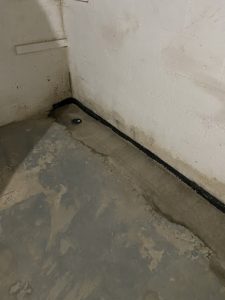
Before plunging into the details of preventative measures for basement moisture, let’s clarify one thing: awareness is your first line of defense.
Knowledge of your home’s water table and understanding how moisture can seep into your basement is vital. With this awareness, you can take the right actions to prevent issues before they occur.
Let’s focus on four key preventative measures:
- Proper Ground Sloping: Make sure the ground around your home slopes away from the foundation. This directs water away from your home, reducing the risk of basement moisture.
- Regular Gutter Maintenance: Clean gutters and downspouts regularly to prevent blockages. Blocked gutters can cause water to overflow and accumulate around your home’s foundation.
- Waterproofing: Consider waterproofing your basement. This adds an extra layer of protection against moisture and can help prevent leaks and dampness.
- Insulation: Proper insulation helps regulate the temperature in your basement, reducing condensation and humidity.
Choosing the Right Basement Dehumidifier
When it comes to mitigating basement moisture, selecting the right dehumidifier can make all the difference. You’ll want to take into account a few vital factors to guarantee you’re making the best choice for your needs.
Firstly, evaluate the size of your basement. Dehumidifiers are rated by the number of pints of moisture they can remove in a 24-hour period. A larger basement or one with high humidity levels may require a unit capable of removing up to 70 pints per day.
Secondly, reflect on the dehumidifier’s energy efficiency. Look for models with an Energy Star rating to make certain you’re not racking up unnecessary electricity costs. Remember, you’re likely to run this unit continuously, so efficiency should be a high priority.
Lastly, don’t overlook convenience features. Opt for a dehumidifier with a built-in hygrometer to monitor humidity levels. Units with automatic shut-off, defrost features, and direct drain capability can also make operation and maintenance a breeze.
In examining your basement’s hidden moisture risks, you’ve learned the potential health and structural perils. Recognizing the signs, understanding moisture migration, and knowing your home’s water table are key. Now, it’s up to you to regularly inspect, take preventative measures, and choose the right dehumidifier. This is more than just home maintenance – it’s safeguarding your health and your home’s integrity. So, stay vigilant, be proactive, and keep those moisture risks in check.

Giulio and Jennifer Bevilacqua are the dedicated and passionate owners of Highlander Waterproofing, a trusted name in basement waterproofing and foundation repair. With a commitment to protecting homes and ensuring the safety and well-being of families, Giulio and Jennifer have built Highlander Waterproofing into a premier service provider in the region. Their hands-on approach, combined with years of industry expertise, has helped them earn a stellar reputation for delivering reliable and effective waterproofing solutions.
The Bevilacquas pride themselves on offering personalized service, using proven techniques, and employing a team of highly trained professionals who share their dedication to quality workmanship. As a family-owned and operated business, Giulio and Jennifer emphasize integrity, transparency, and a genuine concern for their clients’ needs. They believe in building lasting relationships with their customers by ensuring each project is completed to the highest standards. Highlander Waterproofing continues to thrive under their leadership, offering innovative solutions and exceptional customer service that homeowners can depend on.
