


You’ve noticed a musty smell or damp spots in your basement, haven’t you? Professional waterproofing could be the answer to your woes. It’s more than just slapping on a coat of waterproof paint; it’s a thorough process involving advanced techniques, all designed to keep your basement dry and free from potential water damage. But how does it all work? And why should you call in professionals instead of trying a DIY approach? There’s a lot to unpack and consider when it comes to effectively waterproofing your basement.
Understanding Basement Dampness
While it may seem like a minor inconvenience, understanding basement dampness is vital for maintaining the structural integrity of your home. Dampness in your basement isn’t just an aesthetic issue—it’s a red flag for serious underlying problems that could compromise your home’s overall health and safety.
Basement dampness typically originates from two key sources: internal condensation and external water intrusion. Internally, inadequate ventilation, high humidity levels, or temperature differences can cause condensation to accumulate on your basement walls and floors. This moisture buildup can lead to mold growth and the degradation of building materials.
Externally, water can penetrate your basement through cracks in the wall or floor, or via poor drainage systems. These water intrusions can result in structural damage, as the water pressures against the basement walls, leading to cracks and instability.
It’s important to regularly inspect your basement for signs of dampness, such as damp or discolored patches, peeling paint, or a musty odor.
Remember, prompt detection and action can prevent costly repairs down the line.
Understanding the causes and consequences of basement dampness is the first step in addressing the issue effectively.
Stay tuned for the next topic: “The Science of Waterproofing”.
The Science of Waterproofing
To grasp the intricacies of waterproofing, you’ll first need to comprehend how water intrusion occurs.

Next, you’ll gain insight into the various waterproofing methods, each with its unique processes and materials.
Understanding Water Intrusion
Unseen and often unnoticed, water intrusion in your basement is a silent enemy. It’s a constant threat, and its effects can be devastating. Water intrusion occurs when water finds its way into your basement through cracks, joints, or porous materials. The water, driven by hydrostatic pressure or capillary action, exploits every weak point in your foundation, silently causing damage over time.
Understanding the science of water intrusion starts with recognizing that water behaves predictably. It seeks the path of least resistance – often, that’s your basement. Water can penetrate through the tiniest of cracks in your foundation. When these cracks go unnoticed or untreated, they can widen, allowing more water to seep in.
The presence of water isn’t the only concern. With water intrusion comes the risk of mold and mildew. These fungi thrive in damp environments, posing health risks and damaging your property.
Understanding water intrusion is the first step towards effective waterproofing. It’s not just about stopping the water; it’s about understanding how and why it gets in.
Waterproofing Methods Explained
Now that you’ve got a handle on the pervasive issue of water intrusion, let’s tackle the solution: waterproofing. The science behind waterproofing is multifaceted, with several techniques to evaluate, each having its own pros and cons. Let’s demystify it for you.
Firstly, there’s interior water drainage. This method doesn’t stop water from entering your basement; instead, it manages the water once it’s inside. It’s typically less costly and disruptive than exterior methods.
Next, there’s exterior waterproofing. This method involves excavating around your home to install a waterproof barrier and drainage system. It’s more intrusive and expensive but effectively keeps water out.
A third method is the use of waterproofing coatings and sealants. They’re applied to the interior surfaces of your basement, creating a watertight barrier. However, they don’t address the root cause of water intrusion.
Lastly, there’s the installation of a sump pump. It’s an effective solution if your basement floods regularly.
Benefits of Basement Waterproofing
Investing in basement waterproofing reaps several substantial benefits.
You’ll not only protect the structural integrity of your property but also increase its market value. The process eliminates moisture, the primary cause of many basement issues like mould, mildew, and rot. Moisture can lead to serious structural damage over time, wearing away at your property’s foundation.
By waterproofing your basement, you’re creating a healthier environment for your family. Mould and mildew can cause respiratory problems and allergic reactions. With a dry, mould-free basement, you’re lessening these health risks.
Basement waterproofing also contributes to energy efficiency. Dampness and humidity can force your HVAC system to work harder, increasing energy consumption. By eliminating these conditions, you maintain a steady, comfortable indoor temperature more efficiently.
Moreover, a waterproofed basement provides additional, usable space. Whether it’s a home office, a gym, or a family room, a dry basement can be transformed into a functional area that suits your needs.
Waterproofing Methods Explained
When it comes to protecting your basement from potential water damage, understanding the various waterproofing methods is essential.
By knowing these methods, you’ll be well-equipped to make informed decisions on the best possible preventative measures.
Here are four common waterproofing methods you should know:
- Interior Water Drainage: This method involves installing a drainage system inside your basement to manage water that seeps in.
It’s more cost-effective and less intrusive than exterior methods but only handles water after it has entered your basement.
- Exterior Waterproofing: This is the most effective method for preventing water from reaching basement walls.
It involves excavating around your house to install a waterproof coating or membrane on your foundation’s exterior walls.
- Sealants: Using sealants on both the interior and exterior walls can help prevent minor condensation and leakage.
However, they can’t address major leaks or stop water from high-pressure areas.
- Waterproofing Paint: This is a temporary solution to minor dampness.
It’s applied like regular paint but forms a watertight seal.
Remember, it won’t fix structural issues or significant water intrusion.
Understanding these methods is merely your first step.
Consult with a professional to determine what’s best for your home’s unique situation.
Hiring a Professional: Why It Matters
Why should you consider hiring a professional for your basement waterproofing needs? The answer lies in the complexity of the task. A professional will have knowledge, experience, and tools that you won’t find in a DIY kit.
They’re trained to handle different types of basements and waterproofing methods, navigate potential challenges, and guarantee the job gets done correctly.
Waterproofing isn’t just about putting up a barrier; it’s about understanding the structure’s hydrostatic pressure, the water table, and the soil type around your home. It’s about knowing how to implement the right solution without compromising the integrity of your property. A professional can do that.
Moreover, they’ll be up to date with the latest technologies, such as the use of crystalline waterproofing, silicone-based sealants, or hydrophilic membranes.
You’ll benefit from their ability to recognize and prevent potential future problems, saving you time and money in the long run.
Prepping Your Basement for Waterproofing
Before you initiate the waterproofing process, it’s essential to prepare your basement correctly.
The first step involves clearing any clutter to provide unrestricted access to all areas.
In addition, you’ll need to pinpoint potential leaks, as these spots will require special attention during the waterproofing process.
Clearing Basement Clutter
Clutter, the often-unseen foe of home improvement, can greatly hamper your basement waterproofing efforts. This is because clutter not only makes the basement harder to navigate, but it also hides potential issues that need to be addressed before waterproofing.
It’s crucial to clear out the clutter before moving on to the next step of the waterproofing process.
Here’s a simple guide to help you:
- Identify: Begin by identifying what’s in your basement. Sort items into categories such as ‘keep’, ‘donate’, ‘recycle’, and ‘discard’.
- Organize: Once you’ve sorted, organize the items you’re keeping in a way that doesn’t inhibit the waterproofing process.
- Clean: It’s not just about removing items. You also need to clean the basement thoroughly. Dust, cobwebs, and grime can interfere with the waterproofing application.
- Maintain: After you’ve cleared and cleaned, make sure to maintain the clutter-free state. Regular cleaning and decluttering will make future waterproofing or other basement maintenance tasks easier.
Identifying Potential Leaks
Now that you’ve cleared your basement, the next step is to identify potential leaks. It’s essential to do a thorough inspection as undetected leaks can undermine your waterproofing efforts.
Start by looking for signs of moisture on your basement walls and floor. Dark patches, peeling paint or efflorescence (white, powdery residue) often indicate water seepage. If you spot mold or mildew, that’s a red flag signaling high humidity or hidden leaks.
Take note of any cracks on walls, as water often seeps through these fissures.
Next, inspect your basement’s perimeter, particularly after heavy rain. Pooling water near the foundation could seep into your basement. Check your gutters and downspouts; if they’re blocked or improperly aligned, they might be contributing to your basement’s moisture problem.
Lastly, don’t forget to check for plumbing issues. Any leaky pipes or fixtures can cause water damage.
The Waterproofing Process in Detail
Often, the waterproofing process starts with a thorough examination of your basement to identify potential problem areas. Professionals are looking for signs of moisture intrusion and potential structural weaknesses. They’ll check walls, floors, and even the ceiling to guarantee they’ve got a complete picture of the situation.
Next, the actual waterproofing begins. This typically involves:
- Cleaning the area: This means removing any dirt, debris, or existing water damage. It’s important to start with a clean slate.
- Applying a waterproofing agent: This could be a sealant or a membrane, depending on your specific situation.
- Installing a drainage system: This might include weeping tiles, a sump pump, or a French drain to direct water away from your home.
- Final inspection: This ensures that the job’s been done right, and your basement is now waterproof.
You may think this all sounds quite technical, but don’t worry – your professionals will guide you through the whole process. They’ll explain each step, so you’ll understand exactly what’s happening in your basement.
Post-Waterproofing Care and Maintenance
Once your basement has been professionally waterproofed, the journey doesn’t end there. Regular upkeep is essential to guarantee the effectiveness of the waterproofing system over time.
Firstly, you’ll want to inspect the area routinely. Check for cracks and seepage, especially after heavy rain. Even professional waterproofing isn’t immune to the wear and tear of harsh weather. If you spot any signs of water intrusion, don’t hesitate to call your waterproofing professional immediately.
The sump pump, if you have one, needs special attention. Regularly test it by pouring a bucket of water into the sump pit. The pump should start immediately and dispose of the water. If it doesn’t, you’ll need a professional to fix it.
Another vital element is maintaining good drainage away from your home’s foundation. Verify your gutters and downspouts are clean and effectively divert water away.
A little landscaping might also help. Gradually sloping your yard away from your home can aid in preventing water from pooling near the foundation.
Long-Term Benefits of Basement Waterproofing
In the long run, investing in professional basement waterproofing provides an array of benefits that go beyond the obvious prevention of water intrusion.
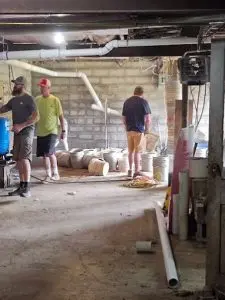
You’re not just warding off the occasional drip or leak; you’re making a valuable decision that pays dividends down the line.
- Increased Property Value: A dry, usable basement increases your home’s worth, presenting a great selling point for potential buyers.
- Reduced Energy Costs: Waterproofing seals off cracks and crevices, reducing the amount of cold air entering your home, leading to less energy required for heating.
- Healthier Living Environment: Moisture breeds mold and mildew, which can cause health issues. A waterproofed basement reduces the risk of these hazards.
- Peace of Mind: There’s nothing like the assurance of knowing that your basement will remain dry, even in the heaviest of downpours.
Calculating The ROI of Waterproofing
Calculating the return on investment (ROI) for basement waterproofing requires a thorough understanding of both upfront costs and long-term savings.
You’ll need to factor in the initial cost of the waterproofing service, which can vary based on the size of your basement and the severity of the dampness problem. That’s your investment.
Next, you’ll need to identify your returns. These may include savings from avoiding future repairs due to water damage, increased property value, or even potential revenue if you’re planning to rent the space.
It’s important to remember that while some returns are immediate, others, like growth in property value, are long-term gains.
To calculate your ROI, subtract your total investment from your total returns, then divide by your total investment. Multiply by 100 to convert this to a percentage. The resulting figure is your ROI.
Keep in mind, the highest ROI often comes from tackling waterproofing proactively, rather than reactively.
Investing in professional basement waterproofing isn’t just smart—it’s vital. You’ll protect your home’s structural integrity, boost its value, and create a healthier living space. Remember, it’s not a one-time job. Regular maintenance and inspections guarantee your basement stays dry for years to come. Factor in the cost of potential water damage repairs, and you’ll see the ROI of waterproofing is well worth it. Don’t wait—take action and transform your damp basement into a dry, usable space today.

Giulio and Jennifer Bevilacqua are the dedicated and passionate owners of Highlander Waterproofing, a trusted name in basement waterproofing and foundation repair. With a commitment to protecting homes and ensuring the safety and well-being of families, Giulio and Jennifer have built Highlander Waterproofing into a premier service provider in the region. Their hands-on approach, combined with years of industry expertise, has helped them earn a stellar reputation for delivering reliable and effective waterproofing solutions.
The Bevilacquas pride themselves on offering personalized service, using proven techniques, and employing a team of highly trained professionals who share their dedication to quality workmanship. As a family-owned and operated business, Giulio and Jennifer emphasize integrity, transparency, and a genuine concern for their clients’ needs. They believe in building lasting relationships with their customers by ensuring each project is completed to the highest standards. Highlander Waterproofing continues to thrive under their leadership, offering innovative solutions and exceptional customer service that homeowners can depend on.